**Merry Christmas and Happy New Year to all our valued customers!**
Our offices will have adjusted hours for the Christmas and New Year holidays. We will be open for half-days on December 24th and 31st, and CLOSED from December 25th to 28th. We will resume normal operations on December 29th and REOPEN after New Year’s on January 2nd.
A Complete Guide to BPC-157 Benefits for Healing and Recovery
PG Site Admin
Table of Contents
BPC-157 Benefits Italy : A Comprehensive Guide to Healing and Recovery
Many people experience slow healing, recurring soreness, or tissue stress after regular physical activity. These issues can make recovery feel unpredictable and often push researchers to look deeper into how the body repairs itself. This growing interest has brought more attention to peptides, helping researchers study recovery more closely, especially in controlled laboratory settings that allow more accurate observation of tissue response.
BPC-157 often becomes a key focus in this research because BPC-157 benefits give scientists a clearer view of how stressed tissue reacts and adapts. Peptides like TB500 and GHK-Cu add even more insight, offering researchers helpful models to study cell movement, repair activity, and overall tissue support in greater detail. As researchers begin examining these early changes in tissue response, they often shift toward understanding the specific actions that guide repair.
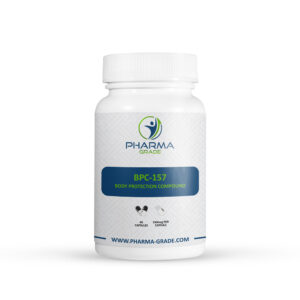
Explore BPC-157 from PharmaGrade Store Italy , a peptide studied for its ability to support tissue repair, healing progression, and recovery pathways in controlled settings.
How BPC-157 Supports Tissue Repair?
Italy Researchers often study BPC-157 benefits in tissue repair because this peptide shows strong activity in preclinical models. One key finding is its effect on blood vessel growth, which improves circulation around damaged areas. Better blood flow helps injured tissue receive the nutrients it needs during early repair. Italy Studies also note that BPC-157 supports the formation of organized collagen, which plays a major role in rebuilding strength after strain.
BPC-157 also influences how cells move toward an injury site. This cell migration is important for rebuilding tissue structure and closing gaps after damage. By supporting these repair steps, BPC-157 remains a central peptide in recovery-focused research.
As soon as these early repair events take place, attention naturally moves toward how tissues regain function in the later phases of recovery.
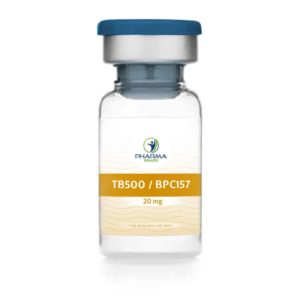
Discover TB500 from PharmaGrade Store Italy , a thymosin beta-4 fragment examined for its role in structural support, cell movement, and flexible tissue recovery.
The Role of BPC-157 in Recovery
Italy Researchers often explore BPC-157 benefits in recovery because this peptide supports the later stages of healing, where tissues regain strength and stability. In many animal models, tissues exposed to BPC-157 showed better functional return, improved movement, and more organized structure as recovery progressed. These patterns appear in tendon, muscle, and soft-tissue studies in which recovery markers improve over time.
BPC-157 also helps balance local signals that guide rebuilding, which supports smoother recovery once early repair is complete. As researchers study this phase, TB500 often appears alongside BPC-157 because TB500 influences structural support through actin regulation. This connection creates a clear path for comparing both peptides in recovery-focused research.
Because TB500 plays such a distinct role in structure and mobility, it becomes the next focus in healing-related studies.
TB500 Benefits for Tissue Recovery
TB500 is a short fragment of thymosin beta 4 that researchers use to study structural recovery in lab models. It influences actin dynamics and cell movement, which helps tissue regain flexibility and shape after injury. In animal and cell studies, TB500 also supports angiogenesis and improves wound closure, giving tissues a stronger base as they regain normal function.
Researchers often compare TB500 with other peptides because TB500 focuses on structural resilience while peptides like BPC-157 target repair signaling. These combined properties make TB500 a common choice in recovery models where rebuilding tissue architecture and restoring movement matter most.
Since both peptides contribute to recovery in different ways, researchers also look at GHK-Cu, which brings another dimension to healing research.
The Role of GHK-Cu in Supporting Tissue Healing and Recovery
GHK-Cu is a copper-binding peptide that researchers study for its role in tissue healing and recovery. In several laboratory and animal models, GHK-Cu encouraged collagen and glycosaminoglycan synthesis, which supports the rebuilding of connective structures after injury. Studies also show that GHK-Cu helps promote blood vessel growth and increases the accumulation of extracellular matrix in wounds, which supports ongoing tissue recovery.
In addition, GHK-Cu has antioxidant and anti-inflammatory activity that helps balance the local environment around damaged tissue, supporting a smoother recovery. Together, these actions make GHK-Cu a peptide of interest in healing-focused research alongside BPC-157 and TB500.
Once each peptide’s strengths become clear, comparing them side by side helps researchers understand how they complement one another.
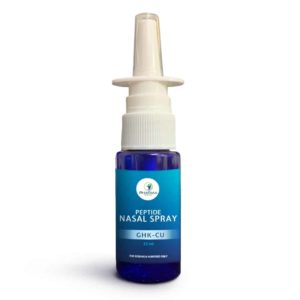
Check out GHK-Cu from PharmaGrade Store Italy , a copper peptide known for its collagen-supportive activity and its value in models focused on tissue rebuilding and renewal.
Comparing BPC-157, TB500, and GHK-Cu in Healing and Recovery
Italy Researchers compare these peptides to understand how each one supports healing from a different angle. BPC-157 benefits often relate to repair signals and stronger tissue response, while TB500 is linked to structural support and movement. GHK-Cu offers value through collagen activity and recovery balance. Putting their roles side by side helps researchers see how each peptide contributes to recovery-focused studies.
Comparison Table
Peptide
What Research Shows
Role in Healing & Recovery
BPC-157
Supports repair pathways and cell activity
Helps tissues respond and adapt during recovery
TB500
Influences actin and cell movement
Improves flexibility and structural support
GHK-Cu
Boosts collagen and reduces oxidative stress
Helps rebuild strength and stability in tissues
With each peptide offering a distinct advantage, researchers gain a broader perspective on recovery and how different pathways interact during healing.
The Future of Peptides in Healing and Recovery
Peptides continue to guide new research in healing and recovery, and interest in this field grows as studies reveal clearer patterns in how tissues respond. Researchers explore BPC-157 benefits, TB500’s structural support, and GHK-Cu’s collagen activity to understand how each peptide contributes to stronger, more stable recovery outcomes. Together, they offer a wider look at the signals and pathways that help tissues adapt after stress or injury.
As methods improve and new models develop, the future of peptide research looks promising. Each discovery helps scientists understand more about tissue resilience and recovery. At PharmaGrade, our team remains committed to supporting this growing area of study by providing access to high-quality research peptides for labs worldwide.
References
[1] Chang CH, Tsai WC, Hsu YH, Pang JH. Pentadecapeptide BPC 157 enhances the growth hormone receptor expression in tendon fibroblasts. Molecules. 2014 Nov 19;19(11):19066-77.
[2] Goldstein AL, Hannappel E, Sosne G, Kleinman HK. Thymosin β4: a multi-functional regenerative peptide. Basic properties and clinical applications. Expert Opin Biol Ther. 2012 Jan;12(1):37-51.
[3] Pickart L, Margolina A. Regenerative and Protective Actions of the GHK-Cu Peptide in the Light of the New Gene Data. Int J Mol Sci. 2018 Jul 7;19(7):1987.
Frequently Asked Questions about BPC-157 Benefits
Do BPC-157 benefits extend to cellular stability during healing?
BPC-157 benefits extend to cellular stability by supporting signals that help cells stay active during healing. Studies show steady cell movement, stronger attachment, and improved survival in stressed tissue models. These actions help maintain structure while repair continues, giving the healing area a more stable environment as tissues rebuild.
How long do BPC-157 benefits take to appear in recovery models?
In recovery models, BPC-157 benefits may appear within days, depending on the tissue and study design. Early changes often include improved cell movement and better blood flow, while structural improvements may take longer. The timeline varies, but many models report measurable shifts as healing activity increases during the early stages.
Do BPC-157 benefits include support for tendon and ligament repair?
BPC-157 benefits extend to tendon and ligament repair by supporting fibroblast activity, cell movement, and organized tissue growth. Several models show improved tendon outgrowth and stronger early repair patterns. These effects suggest BPC-157 plays a helpful role in guiding structural rebuilding during connective tissue recovery.
Does BPC-157 help with inflammation during recovery?
BPC-157 may help balance inflammation during recovery by supporting signals that ease excessive inflammatory stress around injured tissue. In many models, this leads to calmer local conditions and smoother progress during early repair. These actions also support healthier circulation, which helps the healing area respond more effectively.
What makes BPC-157 different from TB500 and GHK-Cu?
BPC-157 differs from TB500 and GHK-Cu because it supports repair signals, blood flow, and coordinated cell activity. TB500 focuses on actin and structural movement, while GHK-Cu supports collagen and antioxidant balance. Together, they offer three distinct paths: signaling support, structural support, and matrix rebuilding.
ALL PRODUCT INFORMATION AND ARTICLES ON THIS SITE ARE FOR EDUCATIONAL PURPOSES ONLY
DISCLAIMER: All products sold by PharmaGrade.Store are for research and laboratory use only. These products are not designed for use or consumption by humans or animals. They are not to be classified as a drug, food, cosmetic, or medicinal product and must not be mislabelled or used as such. By purchasing from our Website the buyer accepts and acknowledges the risks involved with handling of these products. All articles and product information provided on this Website are for informational and educational purposes only. Handling and use of these products should be restricted to suitably qualified professionals.
Boost Wellness with Hexarelin & CJC-1295 No DAC Italy Peptides are one of the most essential components of the human body. They regulate numerous biological processes and can be an effective tool in aiding medical
Impact of Thymosin Alpha-1 & LL-37 Italy on Immune Health The human immune system is the body’s natural defence mechanism against pathogenic invaders. It is a complex network of organs, cells, and molecules that work
Peptide Therapy Italy : Healing Tendonitis & Repairing Tissue A comprehensive guide to peptide therapy for tissue healing, with a focus on the effectiveness of potential peptide therapies for tendonitis treatment, tissue regeneration, joint pain,
HCG Italy Boosts Fertility for Men and Women: A Complete Guide HCG boosts fertility: Fertility is a topic that’s always evolving, with new treatments and discoveries constantly emerging. One such breakthrough is the use of